
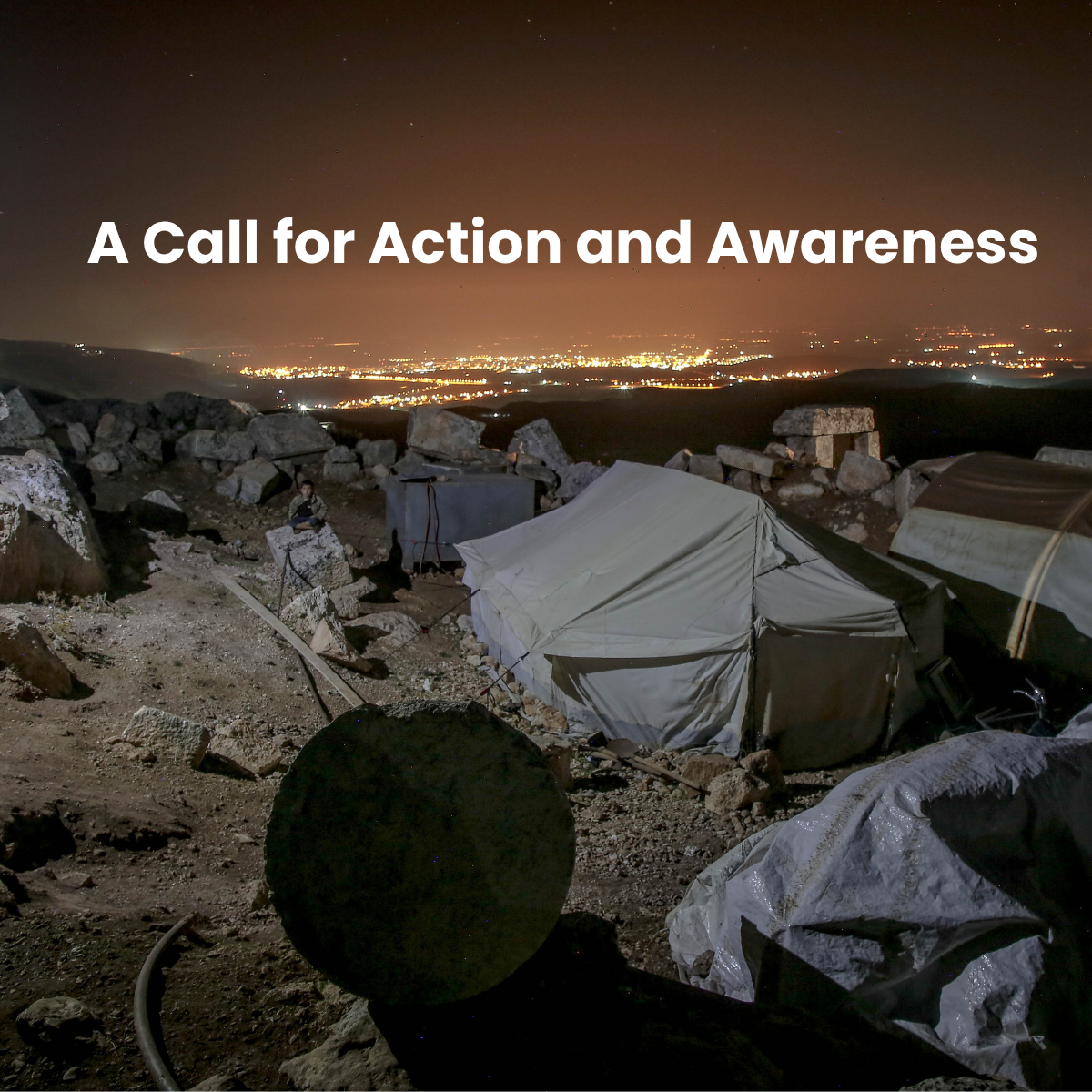
In 2025, I was on a panel to discuss ‘Forgotten’ Crises and Implications for Women, Peace, and Security.
It was hosted by the Research Network on Women, Peace and Security in Canada.
Below are my speaking points
While I wasn’t able to cover all forgotten crises, I hope that the takeaways create conditions not only to remember these crises but to do something about them.
*A 3 minute read.
Why Are Some Crises “forgotten?”
At the panel discussion, I was asked two questions.
Why are some crises “forgotten?” …and what else is “forgotten” as a result of limited media/government focus?
Here are my answers.
Language, Loss of Funding, and Moral Obligation
What you don’t name, you can’t address.
Palestinian Canadian Author and journalist Omar El Akkad talks about how power and privilege show up in the words we choose.
He says: “The privilege of describing a thing vaguely, incompetently, dishonestly, is inseparable from the privilege of looking away.”
Words matter.
When I accessed the (Canadian) Federal government’s website (October 2025), it said:
“Canada is deeply alarmed by the worsening humanitarian crisis in Gaza and the terrible situation for the civilian population, exacerbated by severely restricted access for humanitarian partners seeking to provide assistance.”
What has yet to be said by the Prime Minister or the Minister of Foreign Affairs is that what is happening in Gaza IS A Genocide.
And why this is important is because when you clearly name what is happening, it immediately introduces a moral obligation to oppose it.
“Genocide” vs. “worsening humanitarian crisis” vs. “terrible situation.”
“Genocide” makes it clear people are being erased and eradicated.
This is what is happening in Gaza and in Sudan.
In Yemen, war crimes are being committed – the starvation of civilians as a weapon of war.
In Afghanistan, we are witnessing gender apartheid – systematic segregation based on gender through legal and policy mechanisms.
It is easy to dismiss moral obligation when a genocide is called a “terrible situation.”
It’s easy to dismiss a moral obligation when priorities are focused on preserving privilege over others through the use of power rather than addressing injustice and dehumanization.
The media uses unclear language instead of clearly stating what is happening to these countries because of their sponsors and the consequences of losing funding if they upset those who fund them. They are constricted.
Genocides are, in particular, forgotten in Canada because if we were to acknowledge them, we would clearly need to acknowledge the genocide of Indigenous people on this land.
The consequence? We would truly and rightfully be held accountable.
Power and Economics
If we look at power in particular, crises are forgotten because the unsaid vision and mission of countries is to preserve power instead of taking care of people or the earth.
To preserve power, you need money.
Economies thrive on selling goods like arms and extracting valuable resources for sale.
Crises are forgotten when there is no economic gain.
Crises are forgotten when one’s humanity is considered more important than others’.
Crises are forgotten because of dehumanization and racism.
This was part of what I shared in that panel discussion. What’s the solution? Next week, I’ll share the rest of it.
For now, reflect.
If you can sit with all of that- that power, economics, and not being held accountable are more important than another person’s humanity and right to experience human rights– now you are working from a place of clarity.
Ambiguity leads to ineffective actions.
Clarity leads to harsh truths that are usually met with gaslighting when people reject accountability.
To be clear, gaslighting is:
- dismissing concerns
- erasing reality and
- rewriting reality
And this makes the reaction of those who are being genocided the actual problem – not those who enable it.
If you can accept all that and decide you want everyone to be considered human and entitled to human rights – now, you’re ready for action.
What does action look like? Stay tuned for part 2 of this series.

P.S. If you want coaching in leadership, difficult conversations, or advancing your career, learn more here.
P.P.S. If you want these posts to land directly in your inbox and/or want to be the first to learn about upcoming courses like How to Give, Receive and Act on Feedback, sign up here.